Iranian strikes hit major source of Kuwaiti drinking water, injure soldiers in latest attack against US ally
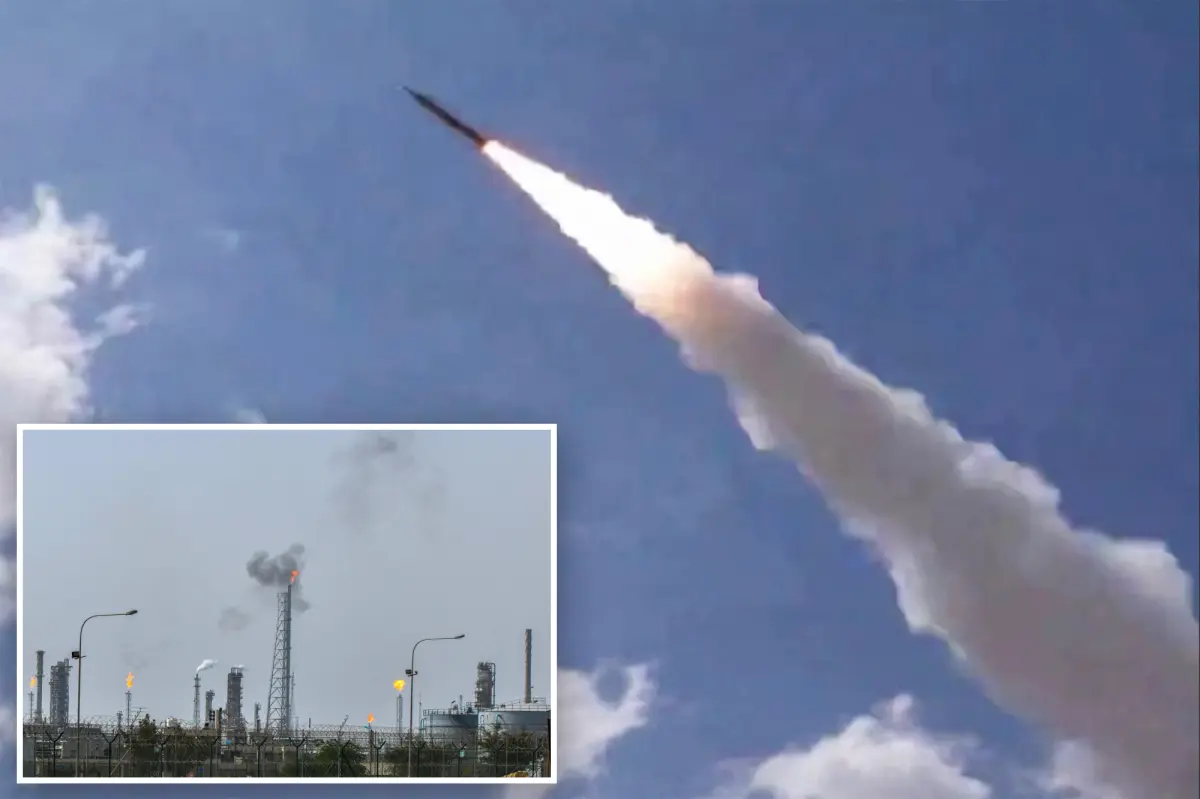
Iranian missile and drone attacks struck a power and water desalination plant in Kuwait Friday, damaging a key source of drinking water in the tiny desert nation.
Read more Iran tells citizens to turn off AC to preserve power grid, blames US strikes for strain
Kuwait’s Ministry of Electricity, Water, and Renewable Energy confirmed the strike had started a fire and damaged several power generation units. The ministry added that the fire had been contained and repairs to the damaged equipment were underway.
About 90% of Kuwait’s drinking water comes from desalination, in which salt is removed from seawater — typically by pushing it through ultrafine membranes in a process known as reverse osmosis.
Approximately 86% of nearby Oman’s potable water and 70% of Saudi Arabia’s drinking water comes from the same process.
Hundreds of desalination plants sit along the Persian Gulf coast, putting systems that supply water to millions within range of Iranian missile or drone strikes. Many desalination plants are in the same facilities as power stations, meaning attacks on electrical infrastructure could also hinder water production.
In addition, any strike that knocks desalination plants fully offline can lead to major cities in the region losing access to fresh water within days.
Days after the start of Operation Epic Fury Feb. 28, Kuwait reported damage at the Doha West desalination plant caused by debris from intercepted drones or attacks on the nearby port.
Read more US pummels Iran’s military infrastructure in latest strikes
Iran accused the US of striking desalination plants on Qeshm Island on March 8, cutting off water supplies for 30 villages, though Washington did not acknowledge the strike.
Yemen’s Houthi rebels have also targeted Saudi desalination facilities amid regional tensions in the past.
A 2010 CIA analysis warned attacks on desalination facilities could trigger national crises in several Gulf states, and prolonged outages could last months if critical equipment were destroyed.
More than 90% of the Gulf’s desalinated water comes from just 56 plants, the report stated, and “each of these critical plants is extremely vulnerable to sabotage or military action.”
Meanwhile, Kuwait’s army confirmed that Iranian drone attacks had injured an unspecified number of military personnel.
The army’s general staff headquarters posted images on X of the military’s chief of staff, Lt. Gen. Khaled Dirj Saad Al-Shreian, visiting injured soldiers after the “heinous Iranian aggression.”
Read more Winner of historic $1.82B Powerball jackpot revealed as Arkansas mayor’s little brother
There were no immediate reports of deaths caused by Iranian attacks.
With Post wires