US hammers bridges around key Iran port of Bandar Abbas on sixth straight night of airstrikes
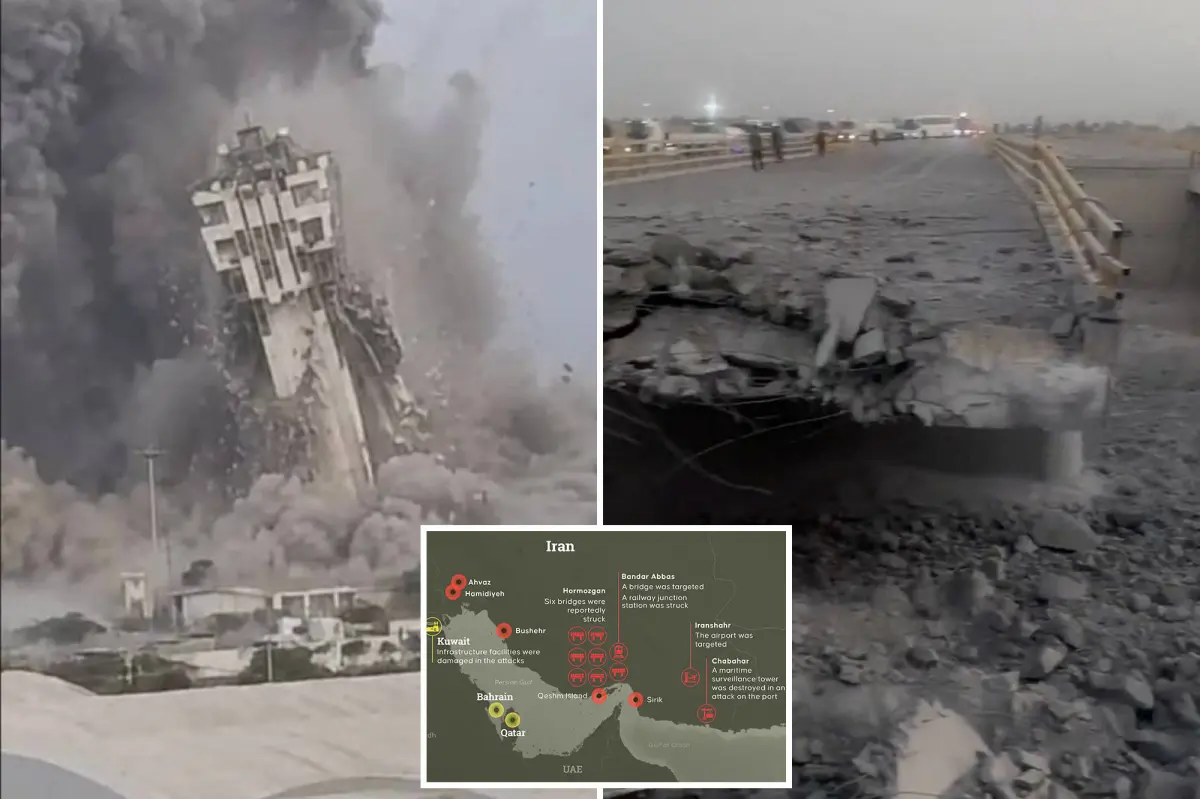
US forces sought to cut off the Iranian port of Bandar Abbas early Friday, striking road and rail bridges as the Trump administration stepped up efforts to ease Tehran’s grip on the Strait of Hormuz.
Read more World Cup ref in charge of final has previous ‘sex party’ arrest
The airstrikes also dramatically toppled a surveillance tower in Iran’s southernmost city of Chabahar, located on a key trade route for landlocked, neighboring Afghanistan.
US Central Command (CENTCOM) called the structure “part of a maritime surveillance network along Iran’s Gulf of Oman coastline used for decades by the Islamic Revolutionary Guard Corps (IRGC) to track and target commercial vessels transiting the Strait of Hormuz.
“The destruction of the tower directly degrades IRGC’s ability to coordinate attacks on innocent civilian crew members,” the Tampa, Fla.-based combat command added on X. “Furthermore, the strike protects freedom of navigation in regional waters for all vessels, except for ships attempting to violate the ongoing U.S. naval blockade against Iran.”
The airstrikes concluded shortly after President Trump claimed in a primetime address to the nation that the US was “winning big in Iran, and you will see the fruits of that labor very, very shortly.”
After the US and Israel launched Operation Epic Fury on Feb. 28, Tehran effectively closed the Strait of Hormuz to shipping traffic, a move that sent the price of oil soaring and gave Iran major leverage in negotiations.
As crossings through the strait hit a three-week low, according to an international shipping tracker, the price of oil rose above $86 a barrel, close to its highest level in a month.
The attacks in Iran’s southern Hormozgan province struck at least six bridges and killed at least eight people, Iranian state television reported, bringing the total of claimed casualties in the latest fighting to at least 39 dead and more than 400 wounded, according to Tehran’s Health Ministry.
While other routes to and from Bandar Abbas still are open, the US strikes could expand further, potentially disrupting both the movement of military materiel and goods for Iran’s 90 million people.
Chabahar port, which Iran had been running with support from India, has been a repeated target of American airstrikes.
Iran has said the Strait of Hormuz, through which about a fifth of all traded oil and natural gas once passed in peacetime, must be under its sole control and that vessels should pay fees to Tehran — even though the world for decades has considered it an international waterway.
Trump has threatened in recent days to target Iranian power stations and bridges while reimposing a naval blockade to halt Tehran’s shipments of crude oil.
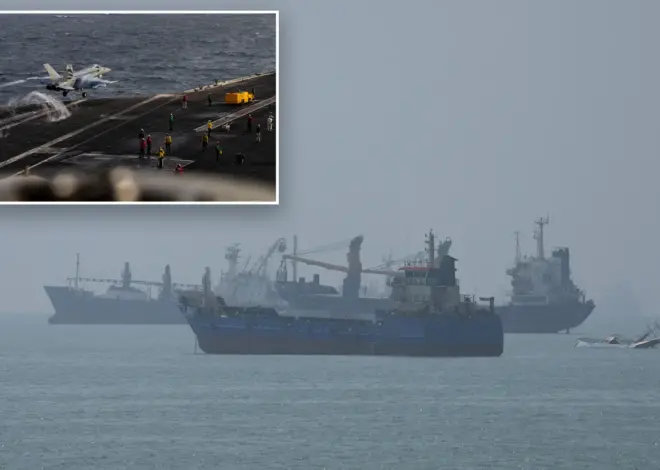
US forces have redirected three commercial vessels trying to run the blockade, disabled one that did not comply and boarded another “to ensure full compliance,” CENTCOM said on X.
Crossings through the strait fell to a three-week low of just eight vessels on Thursday, according to MarineTraffic.com, which said seven of the vessels used a route operated by Iran and none used the route closest to Oman preferred by the US.
Given the risks, some oil shippers are transiting the strait with their location devices turned off, but many are just staying put, Lloyd’s List Intelligence said Thursday. A growing amount of the region’s energy is being shipped through pipelines, but not nearly enough to offset the decline in shipping through the strait.
Read more NYC’s business leaders are in denial about crime in the Big Apple
With Post wires