The UN needs an extreme makeover
Rarely has an institution founded on such noble ideals plunged to such lows.
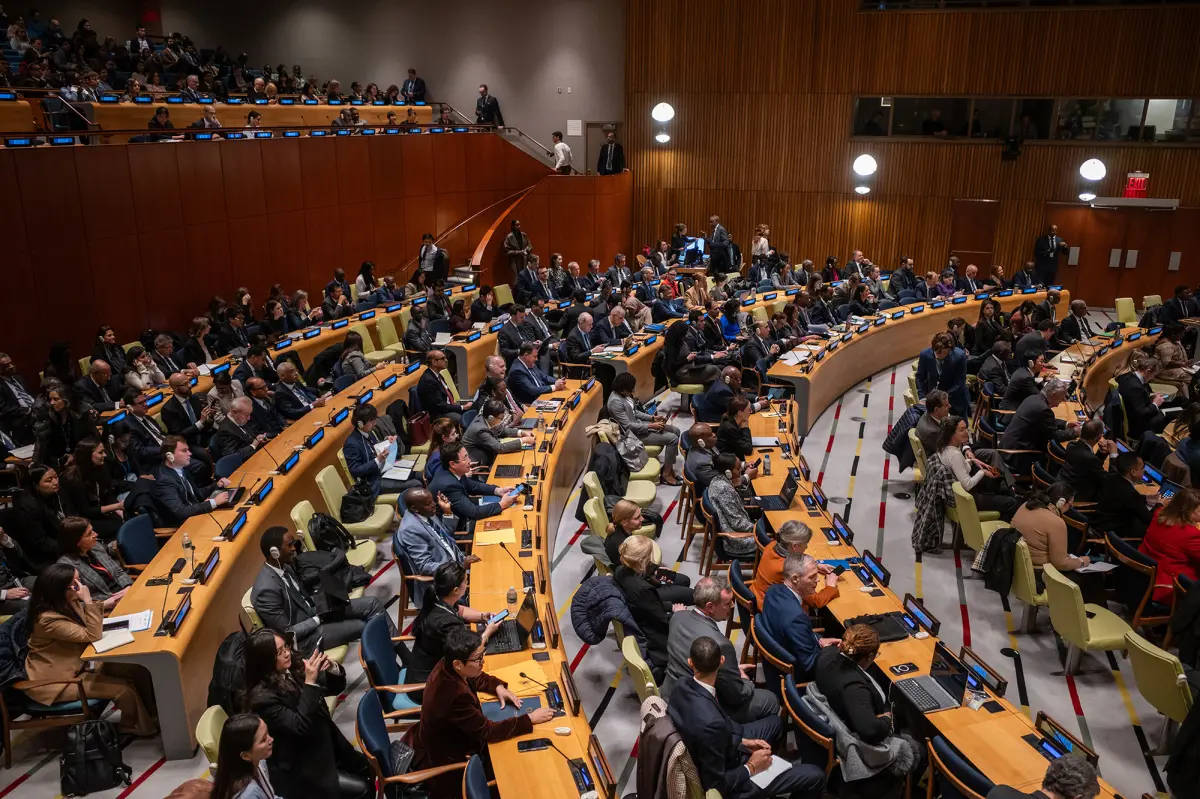
The United Nations, headquartered by Manhattan’s East River, was established in 1945, in the wake of World War II, to prevent humanity from more cataclysmic conflicts. After two world wars claimed 100 million lives, the UN’s founding members sought to replace the failed League of Nations with a functioning forum capable of resolving global disputes before they spiraled into catastrophe.
Read more How President Trump ‘utterly’ defies age as he turns 80: ‘I don’t know where he gets the energy’
Eight decades later, that vision is under unprecedented strain. The UN today is beset by corruption scandals, dogged by questions about its relevance and saddled with a funding crisis so severe that the outgoing secretary-general, António Guterres, warned of “imminent financial collapse” and “a race to bankruptcy.”
For the past two years, I have worked inside the United Nations system. I have seen its failures up close, from UNRWA’s shameful entanglement with Hamas in the Oct. 7 massacre to the secretary-general’s weeks-long delay in responding to the Islamic Republic’s slaughter of Iranian protesters in January.
The UN’s failures are largely indicative of a sprawling bureaucracy that has grown bloated and inefficient.
Yet despite what I have seen, I do not believe the United Nations is beyond saving. What it faces now is an existential make-or-break moment. Either it dramatically reforms itself or continues its slide into irrelevance, and UN insiders agree.
“We are putting the UN on a diet and we are pushing the institution to do less better instead of trying to be everything to everyone,” US Ambassador to the UN Mike Waltz told me in a phone interview.
As part of the Trump administration’s “Make the UN Great Again” campaign, Waltz said the US — which contributes roughly a quarter of the UN’s regular budget, more than what 180 member states pay in combined assessed dues — has pushed for sweeping cuts, including moving almost 3,000 bureaucrats out of the New York headquarters, as well as a 25% reduction in its peacekeeping personnel worldwide.
Reversing such waste and redundancy were also what prompted President Trump to withdraw the United States earlier this year from several UN agencies, including UNESCO, the World Health Organization and the UN Human Rights Council.
“Regardless of where you are on the climate debate, I think we can all agree that you don’t need seven agencies, each with their own headquarters, staff and overhead focused on the climate issue,” Waltz added.
But meaningful reform is not simply a matter of cutting budgets and reducing headcount. A veteran European journalist who covers the UN closely told me that it must also work expeditiously to restore its credibility. The UN can turn a corner, the journalist said, but it “needs a more decisive leader — one able to defend the UN charter, push back against paralysis and make the institution feel relevant again to the people it was created to serve.”
The crisis of leadership is so palpable that every candidate vying to replace Guterres as the world’s next top diplomat has felt compelled to acknowledge the UN’s slip into dysfunction.
“Trust in the UN is waning,” Rebeca Grynspan, the Costa Rican candidate hoping to become the first woman to lead the organization. “Too many think the UN is absent from negotiations to end war…and today the UN confronts a political, a legitimacy and an operational crisis.”
Rafael Grossi, director general of the International Atomic Energy Agency and another leading candidate, similarly the UN’s “effectiveness must be renewed…The world needs a United Nations capable of responding to the real demands of our time, with impartiality and a results-oriented approach grounded in facts.”
Their diagnosis is correct. The next secretary-general will inherit an institution facing waning public trust, mounting geopolitical divisions, chronic financial instability and growing skepticism from the very nations that fund it, which explains why the United States remains approximately $4 billion in arrears to the UN.
But crises can also breed opportunity.
The United Nations was created because the world recognized that international cooperation, however imperfect, was preferable to chaos. That fundamental truth has not changed. What has changed is the UN’s ability to adequately demonstrate that it can still fulfill that mission.
Jonathan Harounoff, Israel’s outgoing International Spokesperson to the United Nations, is the award-winning author of “Unveiled: Inside Iran’s #WomanLifeFreedom Revolt.”

Related Posts
Mamdani’s grocery stores will be the most expensive markets in NYC — paid for by you, the taxpayer
Republicans must save the future of conservatism from young wannabe edgelords