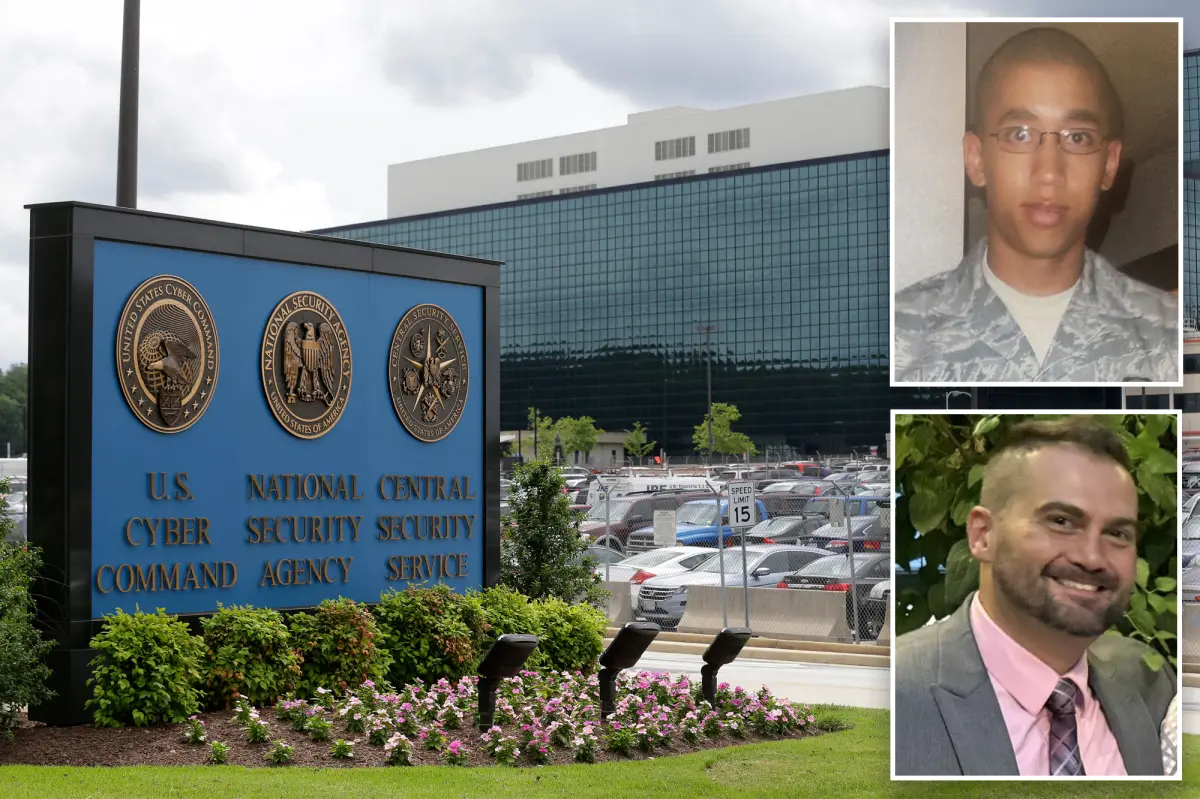
Alarm raised after 11 NSA workers die by suicide this year — spurring lawmakers to seek answers
Eleven people working for the National Security Agency have died by suicide this year, raising alarm over a potential mental health crisis at the nation’s top-secret intelligence service — and prompting lawmakers to call for urgent action.
Read more Titans’ Jaylen Harrell hospitalized after ‘serious’ car accident
Ten of the deaths involved military personnel, civilian employees or contractors working at the US Cyber Command and NSA’s sprawling Fort Meade headquarters in Maryland, nicknamed “The Puzzle Palace,” while the 11th occurred at an agency facility in Georgia.
Personnel at Fort Meade conduct foreign signals intelligence and cyber operations aimed at protecting national security.
Advertisement
“Because much of their work is classified, personnel may be unable to discuss the source of their stress with family members or medical professionals who lack the clearances or facility access,” a letter from Rep. Eugene Vindman (D-VA) released Thursday stated.
“These conditions can isolate personnel, limit timely access to appropriate care, and ultimately weaken readiness, retention, and operational effectiveness,” the letter read.
The two most recent suicides — of a 21-year-old US soldier and a 59-year-old civilian — were reported in September, Bloomberg reported. Neither person has been publicly identified.
Advertisement
Five of the deaths occurred during a five-week stretch in June and July.
One of those summer suicides was Kevin Bernard Stallings, an Air Force technical sergeant working on digital operations at the NSA whose “life was defined by his service,” according to an obituary.
Stallings failed to report for duty on June 18. Four days later an Air Force official conducting a welfare check discovered his body, Bloomberg reported.
Advertisement
The 36-year-old died from a self-inflicted gunshot wound, according to an autopsy report reviewed by The Post.
“It absolutely infuriates me. Why did you not check on my brother?” his brother, Adam Stallings, told Bloomberg.
Stallings was dealing with financial stress, the end of his marriage, and the death of his dog, Scud.
Maryland Air National Guard Capt. Kevin Paulson, 40, who served as a cyber effects operations officer, died July 6.
Advertisement
Paulson regularly worked 16-hour days in the heavily secured, windowless rooms known as sensitive compartmented information facilities, or SCIFs, his sister told the Baltimore Banner.
Work in these SCIFs can disrupt circadian rhythms, leading to sleeping problems which compound depression symptoms.
Anyone working in SCIFs must leave their phones and smartwatches outside the room for security reasons, and cannot discuss the classified work with anyone, including family or friends.
Advertisement
Paulson, who was having sleeping problems, was staying with a friend and had gone on a morning run on July 6, but never returned home, the outlet reported.
The 40-year-old died from injuries suffered after jumping from an overpass onto a roadway in Maryland, according to an autopsy report reviewed by The Post.
The deaths have intensified scrutiny of mental health resources available to personnel working in some of the nation’s most sensitive intelligence and cyber operations.
Advertisement
A bipartisan group of representatives in the House Armed Services Committee’s Cyber, Information Technologies, and Innovation Subcommittee are seeking answers. They $11 million in funding for mental health support at Fort Meade.
“One loss of life is one too many,” the subcommittee members said in a letter last month.
“We must do everything we can to make sure our servicemembers and everyone at NSA and Cyber Command has the full mental health support and resources they need, so that a tragedy like this does not occur again,” the letter stated.
Advertisement
Fort Meade employs as many as 64,000 civilian and military staffers.
Concerns about suicide among personnel at Fort Meade date back more than a decade.
The suicide rate among service members at the installation was six times the Maryland rate in 2012, according to Stars and Stripes.
If you or someone you know is affected by any of the issues raised in this story, call the National Suicide Prevention Lifeline at 800-273-TALK (8255) or text Crisis Text Line at 741741.
If you are struggling with suicidal thoughts, you can dial the 24/7 National Suicide Prevention Hotline at 988 or go to SuicidePreventionLifeline.org.
Advertisement