Bipartisanship should still matter, it’s not all about Bibi and other commentary
Texan: Bipartisanship Should Still Matter
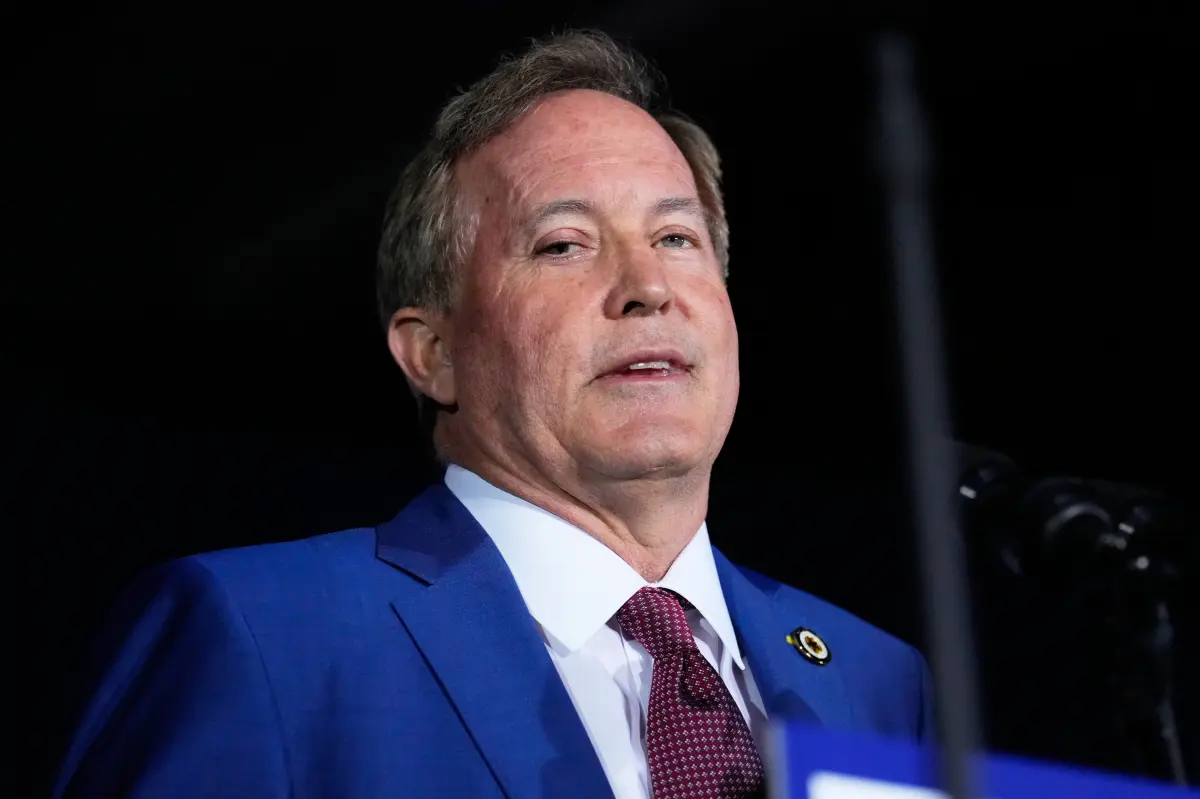
In choosing Ken Paxton, Texas Republicans rejected of “the establishment conservatism that [Sen. John] Cornyn represented” — which should serve as “a warning to observers about American politics,” argues USA Today’s Nicole Russell. The “Senate race between Paxton and Democratic state Rep. James Talarico in November” neatly reflects “today’s polarized political climate,” as the pair’s only common ground is “a talent for embodying the excesses of their respective parties.” “Maybe it’s fitting that deeply flawed candidates from both parties are now facing off for a U.S. Senate seat”: Polling shows that “most Americans are less polarized in their daily lives than the politicians who represent them,” but they won’t get “servant-minded, strategic statesman” until they “stop rewarding outrage, performance and polarization over character and leadership.”
Read more Progressives cheer as Mamdani robs the future to waste money in the present
Foreign desk: It’s Not All About Bibi
Some Democrats seek “to separate their harsh feelings toward [Israeli Prime Minister Benjamin] Netanyahu from their overall opinion of Israel,” while some on the right gripe that Bibi’s approach “is incompatible with ‘America First,’ ” notes Commentary’s Seth Mandel. All assume that replacing Netanyahu would move US-Israel relations where they desire. Hmm: Reacting to a possible US-Iran deal that restricted Israel’s freedom to respond to Hezbollah threats, Bibi’s Israeli rivals attacked him “from the right,” though they’re “to his left.” Fact is, “Israeli public opinion maintains something close” to a consensus on the nation’s security needs, and pols on both sides “uphold that consensus.” In the end, “Israelis are going to support taking out the threats they face” — no matter “who is prime minister.”
Parenting: Get Kids Off Screens and Outdoors
“The digital revolution is remaking nearly every aspect of modern life,” notes Ben Sasse at the Wall Street Journal, including leaving suburban American children “weirdly held hostage indoors” on their screens. Ugh! This prevents “them from developing imagination, resilience and grit” yet allows them “to navigate dark corners of the internet on their own.” For generations, “Americans have succeeded by pushing boundaries and embracing challenges”; kids need “the adventures and misadventures of childhood” to thrive. We can’t shelter them from “low-risk failures” and then toss “young adults into the deep end.” Kids are addicted to screens because their parents failed “to give them something better to do.” “To raise stronger, more resilient kids, we need to give them more freedom and demand more responsibility.”
Read more Michigan teen girl fights off repeat sex offender who attacked her while walking home from school
From the right: AOC Unready for Her Closeup
Rep. Alexandria Ocasio-Cortez, with “every incentive to strike while the iron is hot,” seems to be preparing the ground for a 2028 presidential run, observes National Review’s Jim Geraghty. But her near-willful ignorance of global politics means “this is not good news for the US.” E.g.: Asked about Taiwan at the Munich Security Conference, she “answered with incoherent word salad.” Asked about “balancing a need for increased defense spending and nations’ debts,” she retreated to talking about the “billionaire class,” and referred to NAFTA — which was replaced in 2020 — as a “failed policy.” She also “doesn’t like doing sit-down interviews”— yet “if you want to be president,” then “you must accept” the accompanying “scrutiny.”
Fed watch: Powell Undermined Independence
Lawmakers have fretted about the Federal Reserve’s independence under new Chairman Kevin Warsh, recalls Allison Schrager at City Journal, yet his predecessor, Jerome Powell, “undermined” that independence for years — by taking on “political objectives” and expanding the “scope of its balance sheet,” the assets it owns. “Any country that runs a large debt struggles to maintain an independent central bank, but that task becomes even harder” with “a large balance sheet,” which enables higher government debt and so “tempts policymakers to inflate away debt” or “keep interest rates low in order to reduce debt-service payments.” Yay: Warsh has “expressed a clear desire to shrink the balance sheet” — a tricky task that “may do more for Fed independence than anything else in the last 20 years.”
— Compiled by The Post Editorial Board

Related Posts
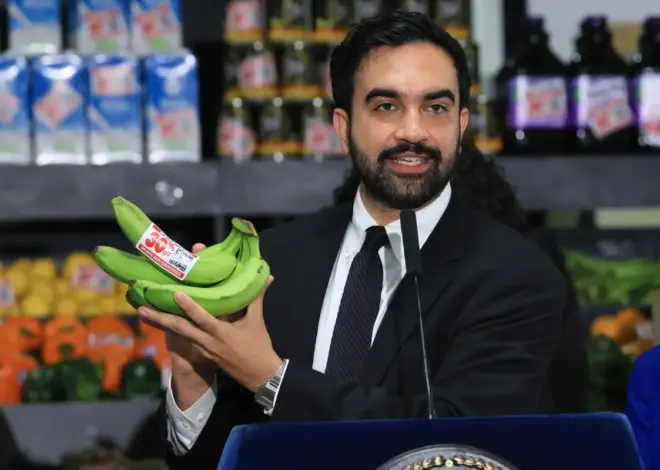
Mamdani’s grocery stores will be the most expensive markets in NYC — paid for by you, the taxpayer

Republicans must save the future of conservatism from young wannabe edgelords