NY lawmakers want to bring back sex-fueled bathhouses — 40 years after ban during AIDS crisis
They’re bringing back true hookup “hotspots.”
A steamy new proposal would legalize sex in saunas and bathhouses citywide — repealing a 1980s law that blamed the wet-and-wild romps for spreading AIDS among gay folks.
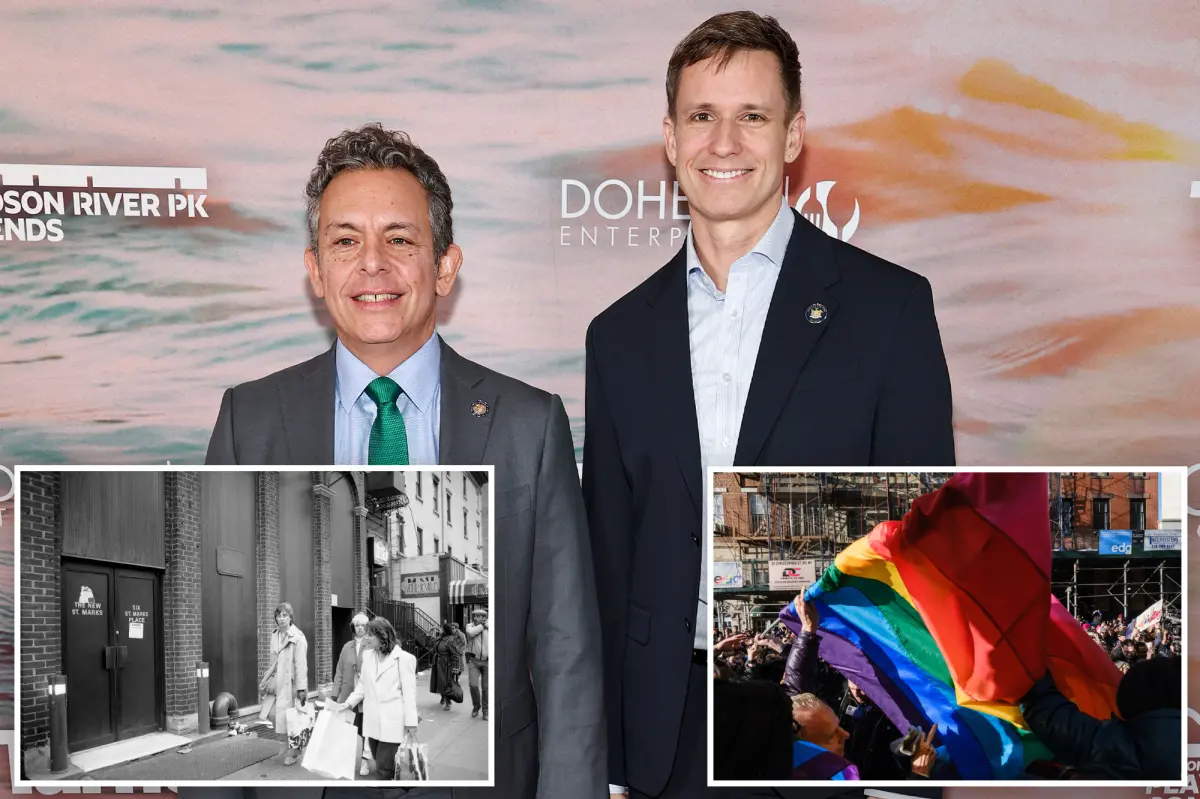
State Sen. Erik Bottcher and Assemblymember Tony Simone, who represent Manhattan’s LGBT- friendly west side, said it was time to replace the dusty old ban on “adult-saunas.”
“We should bring it out of the shadows,” Simone said during an interview Wednesday, arguing bathhouses would be healthier and safer if they were regulated.
“It was part of gay culture. These people are adults. Sex is consensual,” he said.
The current law states, “No establishment shall make facilities available for the purpose of sexual activities where anal intercourse, vaginal intercourse or fellatio take place. Such facilities shall constitute a threat to the public health.”
But the new legislation to repeal it recognizes that saunas have served for decades as important gathering places for gay folks — before they were shuttered during the height of the HIV/AIDS epidemic to curb infections and deaths.
“The year is 2026, not 1986: evidence-based practices informed by the past 30 years of public health research make it clear we should repeal the ban on adult-use bathhouses and saunas,” Simone said in a statement announcing the bill.
“Queer New Yorkers are being forced into the shadows … we all know these places exist,” he said.
Indeed, several spas and bathhouses in the Big Apple are already rumored hotbeds for sex — with reports of public hookups at Spa Castle in Queens and the East Side Club, a 24-hour sauna in Midtown.
Veteran LGBT activist Allen Roskoff, who lost loved ones to AIDS, said the ban on bathhouses was a divisive issue in the gay community in the 1980s, with many gays for and against the shutdown.
But said it’s time for bathhouses to return.
“New York’s bathhouses were an integral part of gay life for decades,” said Roskoff, president of the Jim Owles Liberal LGBT Democratic Club.
He said the bathhouses were places to socialize and have sex, but they were more than that.
“They were symbols of our community, our culture, and our fight for civil rights and sexual liberation. I spent much of my youth in them,” Roskoff said.
He said political leaders campaigned in the establishments and entertainers including Bette Midler and Barry Manilow performed there.
Roskoff argued that they were tourist attractions, with gays from across the globe frequenting bathhouses.
“Gay men traveled from around the world to experience this uniquely New York institution. It’s time to shake off the fear and stigma of the past and let them reopen,” he said.
There’s also now effective treatment for HIV/AIDS through PrEP, PEP, routine HIV testing, and other prevention strategies, Bottcher and Simone noted.
“Emergency measures from another era should not become permanent public policy,” said Bottcher, chair of the state Senate’s Cities Committee, in the joint statement.
“Actions taken at the height of the AIDS crisis are out of step with modern reality. The science has changed. Prevention has changed. Treatment has changed. It’s time for our laws to change too.”
While the LGBT lobby backs the repeal, conservatives oppose encouraging state-licensed facilities that promote anonymous and promiscuous sex.
“These bathhouses are a thing of the past. They were awful,” said Councilwoman Vickie Paladino (R-Queens).
“It’s an open door. They would be ten times worse today.”
More than 100,000 New Yorkers have died from AIDS-related illnesses since the start of the AIDS epidemic.
The proposed legislation comes on the heels of the more contagious COVID-19 outbreak that killed more than 47,000 New Yorkers.
Minnesota recently repealed its law barring bathhouses that promote sex among patrons.
Gov. Kathy Hochul and New York City Mayor Zohran Mamdani, and their respective health departments, had no immediate comment.
A former top public health official endorsed the legislation.
“My own work in these venues has shown that they can also be powerful environments for health outreach and prevention,” said Dr. Demetre Daskalakis, a former New York City deputy health commissioner of disease control and top official in the US Centers for Disease Control, who is now chief medical officer at Callen-Lorde LGBT health care.
“By bringing people together rather than pushing them into less visible settings, we create opportunities to build trust and deliver services that improve health outcomes. Callen-Lorde is looking forward to working with our community and government partners to plan clinical prevention services in these venues and to further strengthen the connection between community wellness and public health.”
–– Additional reporting by Natalie O’Neill

Related Posts
Blakeman says he’ll turn his back on Mamdani at 9/11 memorial: ‘You don’t go to a wake if you’re not welcome’
Fighter who knocked out Dem congress hopeful reveals what really sparked brawl — anti-white slur emerges