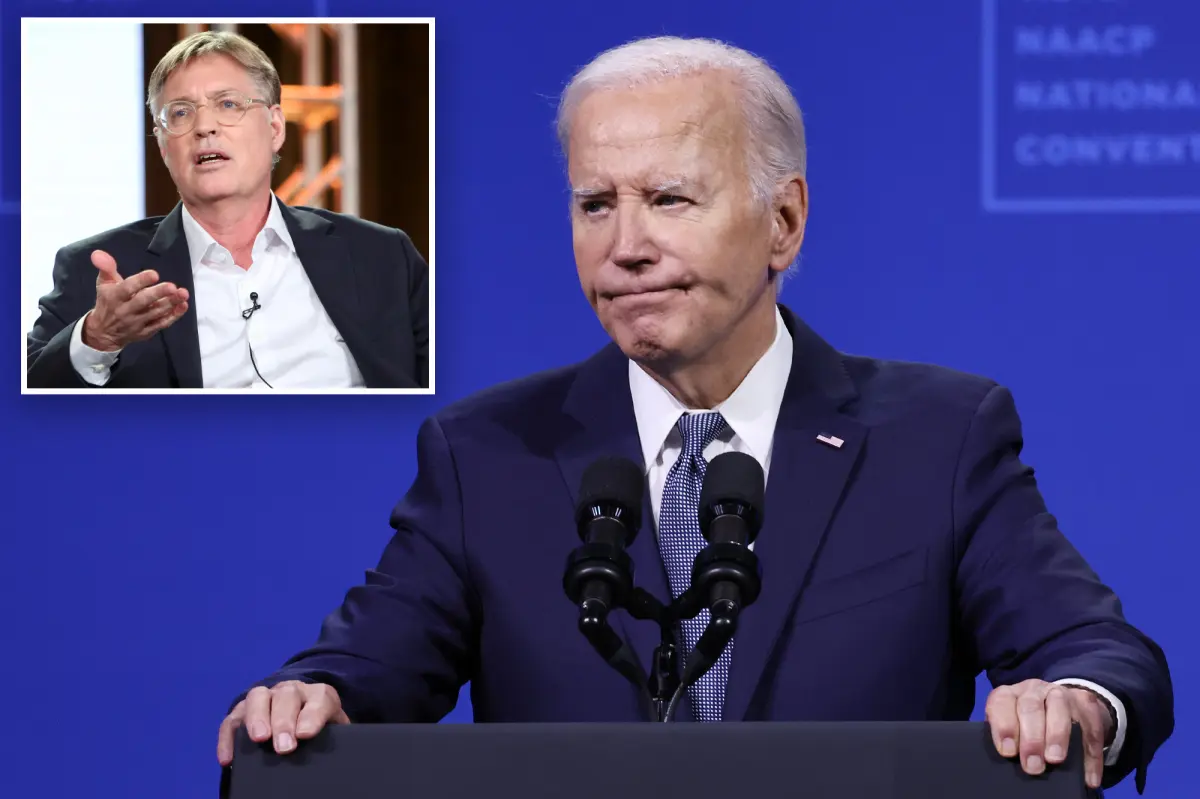
Appeals court rejects Biden bid to block release of ghostwriter recordings used in special counsel probe
WASHINGTON – Former President Joe Biden lost his bid Monday to block the release of audio recordings and transcripts of interviews with his longtime ghostwriter that were used in special counsel Robert Hur’s investigation into Biden’s unlawful hoarding of classified information.
Read more Karl Ravech expected to be let go by ESPN after 33 years as massive layoffs continue
A divided federal appeals court ruled the 46th president’s privacy claims did not outweigh the “substantial” public interest in the material, though it suspended its decision until Aug. 3 to allow the former chief executive to consider additional action.
Following his vice presidency, Biden met multiple times with author Mark Zwonitzer, who ghostwrote Biden’s 2017 memoir “Promise Me Dad.”
The audio recordings of those interviews became part of Hur’s investigation, with the special counsel noting in his February 2024 report that Biden showed “diminished faculties and faulty memory,” and described the conversations as “painfully slow, with Mr. Biden struggling to remember events.”
Ultimately, Hur declined to bring changes against Biden, in part because he believed the president would present himself to a jury as “a sympathetic, well-meaning, elderly man with a poor memory.”
The Heritage Foundation initially sued the Justice Department in March 2024, seeking the transcripts and recordings under the Freedom of Information Act.
Biden’s attorneys have argued the conversations with Zwonitzer were candid and always intended to stay private.
The panel rejected that argument, ruling the material “became subject to FOIA’s disclosure mandate when the Special Counsel obtained possession of them as part of his investigation.”
The court also ruled Biden hadn’t shown sufficient evidence that he would “suffer irreparable harm” if the material was released.
“We conclude that any remaining incursion on personal privacy from disclosure of the now-redacted materials likely does not outweigh the public interest in disclosure,” read the majority opinion by D.C. Circuit Chief Judge Sri Srinivasan, a Barack Obama appointee, and Judge Gregory Katsas, appointed to the federal bench by President Trump.
Judge Florence Pan, the lone Biden appointee on the panel, dissented, arguing Biden had demonstrated “substantial privacy interest” in keeping the recordings and transcripts under wraps.
“The conversations at issue took place in Biden’s home,” wrote Pan, “and the recordings of them were obtained by the government in the course of a criminal investigation that did not lead to an indictment.”
The transcripts of Biden’s interviews with Hur were released in March 2024 and showed the then-president struggling to remember key events, including which year his son Beau died of brain cancer.
“What month did Beau die? Oh, God, May 30 —“ the transcript shows Biden asking.
White House lawyer Rachel Cotton and an unidentified man then reminded Biden that his son died in 2015.
“Was it 2015 he had died?” Biden responded.
“It was May of 2015,” he was told.
The release of the transcript contradicted Biden’s description of the interview, in which he claimed Hur inappropriately brought up the death of his son.
The political fallout raised more questions about Biden’s mental capacity for the job, as he was running for a second term at the time.
Biden withdrew from the 2024 race four months later, following a disastrous debate against Donald Trump that caused a mutiny in the Democratic ranks.
Read more Iran executes two young men for offering help to fleeing anti-regime protesters

Related Posts

Beijing-linked businessman accused of undermining US gave thousands to Senate Dem contenders, records reveal
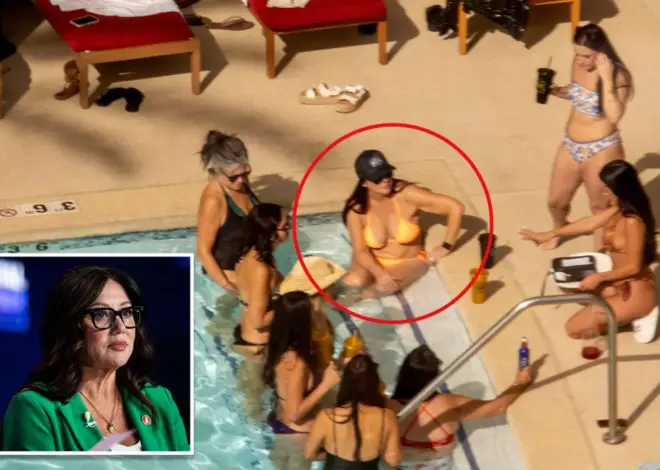
Salacious details of ex-Labor Secretary Lori Chavez-DeRemer’s strip club visit, relationship with bodyguard revealed in IG report