The rush to ban Central Park horse carriages is the true cruelty
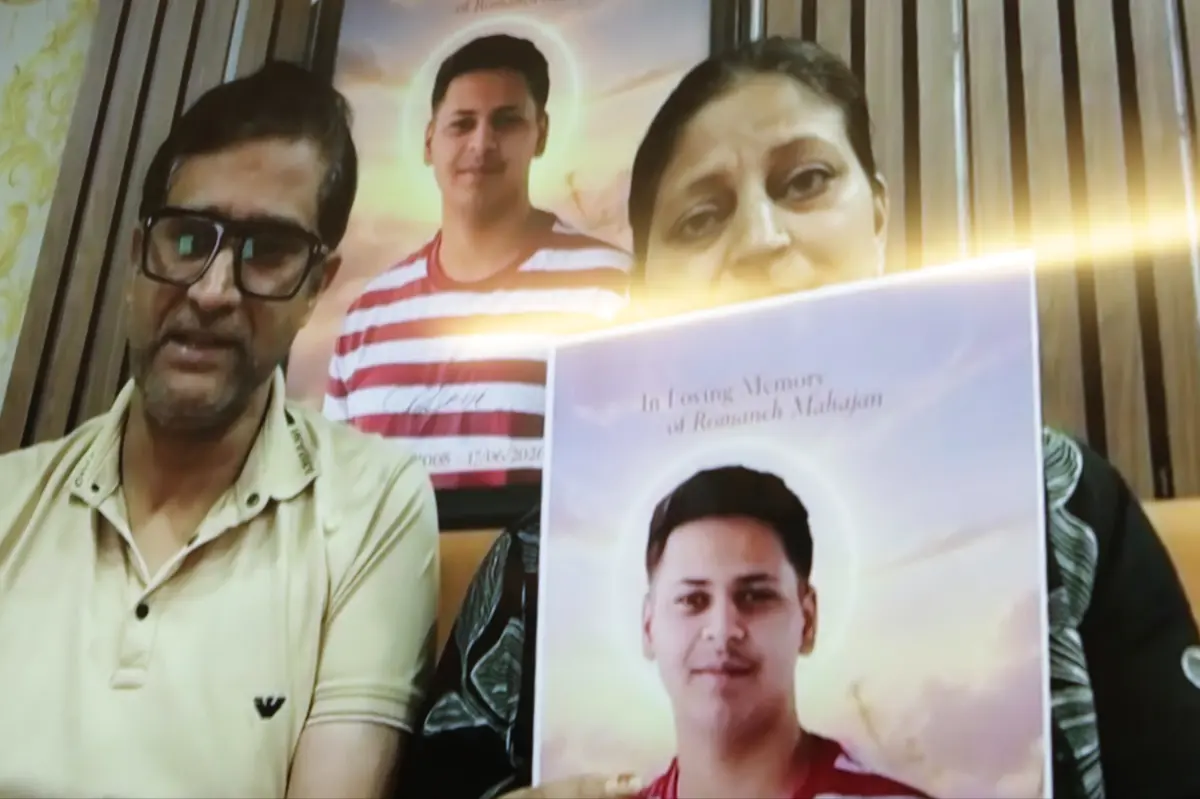
Last month’s awful accident that killed 18-year-old tourist Romanch Mahajan has brought a stampede to ban the city’s horse-drawn carriages — context and even rational consideration be damned.
Mahajan’s family testified at a City Council hearing Wednesday in favor of a ban; anyone listening would’ve had a hard time holding back tears.
But New York City sees other deadly accidents all the time — without prompting a rush to outright ban cars, construction work or e-bikes.
And the testimony from those in the industry — the ones who’d lose their livelihoods, not to mention, in all likelihood, their horses — was powerful, too.
The city’s 200 or so drivers, mostly immigrants or immigrants’ children, average all of about $65,000 a year from the trade; the overwhelming majority who work as independent contractors or owner-operators get no employer medical insurance or other perks.
For many, as one driver noted (an appeal to Mayor Zohran Mamdani and other socialists?), this is an industry where “the workers own the means of production.”
What utter arrogance for council members to think they can write off the pain of destroying drivers’ careers simply by “retraining” them for other work.
As a spokesman for the their union noted, the bill’s “worker development” provisions won’t lead to jobs that come anywhere near the ones the drivers now have.
Read more Savannah Bananas ripped over ESPYs performance as Dave Portnoy leads backlash: ‘What the f— is this’
As for the horses, the bill is a “death sentence,” one horse veterinarian testified: The idea that forcefully-retired equines will live out peaceful lives at pastoral sanctuaries is pure “fantasy.”
In the background, the years-long drive for a ban relies on myths hyped up repeatedly by animal-rights fanatics about how the horses are supposedly “mistreated” and the rides “dangerous.”
If fact, the horses are well cared for; they and their stables are subject to regular inspections.
Mahajan’s death was the first ever in the industry’s more than 160-year history.
E-bike accidents, by contrast, have killed 133 people just since 2019 — and never mind cars and trains.
Yet no one’s talking about banning them.
If the activists had real evidence of horse mistreatment, the city could step up inspections, require better training, better enforce the abundant rules already on the books and so on.
That’s how we handle fatalities in every other trade.
No matter how much the activists play on public emotion, banning an entire (if tiny) industry — a longtime city icon and tourist attraction — and putting its workers out to pasture isn’t just overreaction, it’s downright cruel.
Read more Spain’s Lamine Yamal’s home targeted in attempted burglary hours after winning World Cup semifinal
The council should (to paraphrase Nancy Reagan) just say neigh.