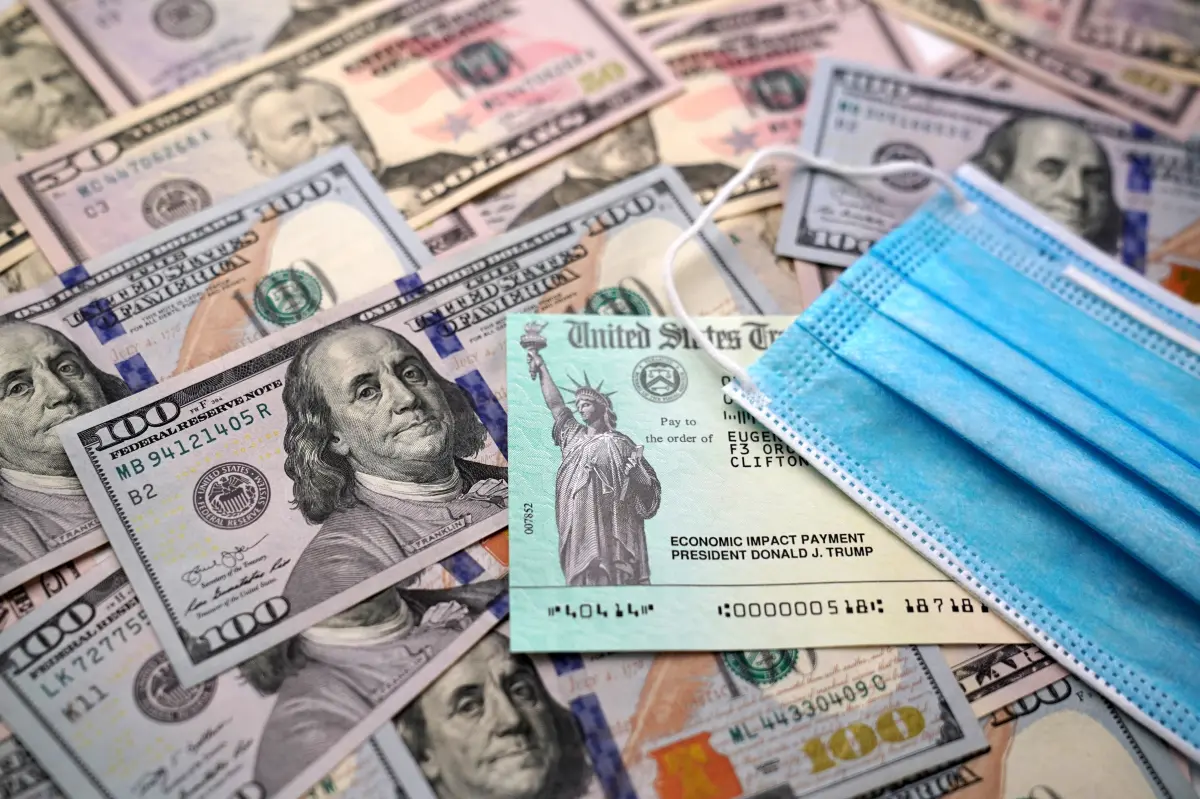
Some Americans are getting a COVID tax refund — here’s who is eligible and how much they’ll get
Eligible Americans may be in line for some extra cash, but time is running out to claim.
Read more ‘The View’ turned down Mamdani request to bring on Israel-hating candidates over fear of FCC: report
The refunds stem from IRS penalties and interest that some taxpayers paid during the COVID-19 emergency after the IRS had postponed many tax deadlines.
A recent federal court ruling — Kwong v. United States — found that the COVID-era deadline extensions may have also delayed when the IRS was allowed to begin charging certain late-filing penalties and interest. This means those who paid during that period may be entitled to a refund.
It’s not entirely clear how much taxpayers will receive but some experts feel it could be a large sum.
“I would suspect it’s a pretty big number. This happens to millions of people annually,” Nathan Goldman, an accounting prof at North Carolina State University, previously told The Post.
Simply put, the IRS may owe you money, but you’ll only get it if you file a claim by July 10. Plus, you must meet specific eligibility requirements.
To qualify, taxpayers must meet one of the following, according to Taxpayer Advocate:
- Filed a return during the COVID-19 disaster relief period and were given penalties or interest
- Paid or still owe penalties or interest for filing or paying late during that period
- Filed late international information returns
- Missed a refund, refundable credit, withholding credit, estimated tax payment credit, or other tax benefit for tax years affected by the COVID-19 period
Dates to check are from January 20, 2020, through July 10, 2023, or for tax years that may have been affected by that period.
The funds may also extend to some folks who missed refund opportunities for tax years 2019 through 2022.
Just remember that not everyone will get a refund. The IRS could approve, deny, or not respond to your claim. If approved, two things may happen, according to the site.
Either your balance is reduced, or you will get a refund if you’ve already paid.
If denied, you may protest or file a refund suit. If the IRS doesn’t respond within six months, you can take them to court, as the Kwong ruling supports claims in those scenarios.
However, those who do not file by July 10 will automatically lose the right to claim.
Just note that it’s important to review your individual circumstances, and you may want to consider seeking professional guidance if needed, as we don’t give legal advice — obviously.
Individuals and businesses may preserve their rights is by filing a “protective claim” with the IRS. This allows the claim to stay valid even if the case remains tied up in court for years, according to experts.
Taxpayers can head to several law firms publishing guidance on claiming and eligibility like covidtaxrefunds.com. On July 1, the IRS added a new online option for taxpayers to file their electronically through the IRS website.
Although you must have an online account.
For those wishing to file a claim old-school style, complete the current paper version of Form 843, and mail it to:
Internal Revenue Service
1973 N Rulon White Blvd.
Ogden, UT 84201
Those sending by mail must identify the submission as being related to Kwong v. United States by writing “Kwong vs. United States” across the top.

Related Posts

Meet the godfather of global terrorism — Carlos the Jackal — who seduced women and eluded cops for decades

Australian airline Jetstar will charge passengers to use overhead lockers for their bags