Biden-era rules are putting wokeness over science and shutting down museum displays
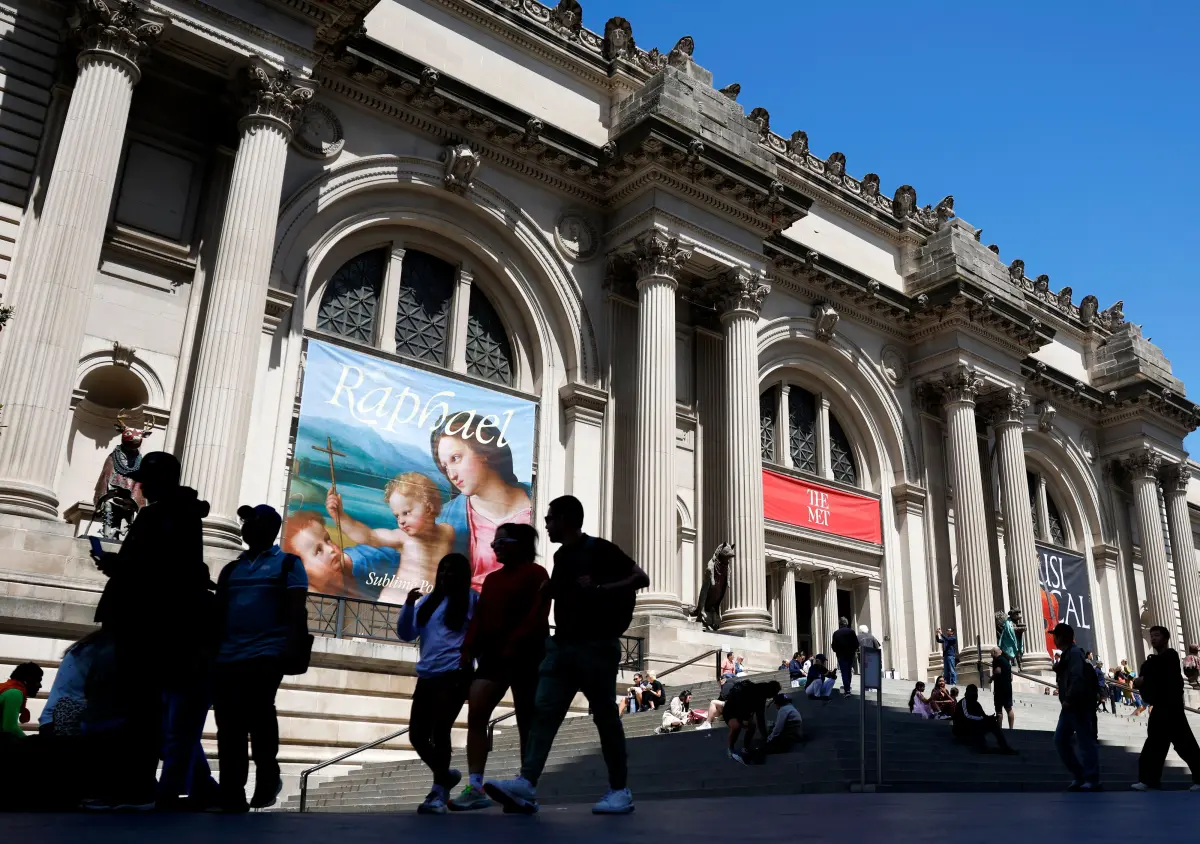
At the Metropolitan Museum of Art, even a flute can now be treated as human remains, as it indicated in a peculiar notice in the Federal Register last week.
The Met announced that a decorated bone flute — long identified as animal bone — had been reclassified as the remains of a Native American.
Excavated near Malibu, Calif., the flute came to the Met through Nelson Rockefeller’s collection in 1979. Until 2024, the object was understood to be animal bone.
Then a museum consultation with the Santa Ynez Band of Chumash Mission Indians produced a startling new finding: The flute was made from human bone.
The public notice cites no evidence that the Chumash, or any other California tribe, used human bones to make flutes.
Nor does it identify any independent scientific test to support the claim.
In fact, there is no archaeological evidence that any California tribe ever made flutes out of human remains.
If this were in fact a human bone flute, it would be the only one ever discovered in California.
So now a museum object once available for study will vanish from public view — not because archaeology proved it failed to qualify for exhibition, but because the Biden administration’s rewrite of the Native American Graves Protection and Repatriation Act, or NAGPRA, transformed a 1990 repatriation law into a system that elevates tribal consultation over science.
As I explain in a new Goldwater Institute Policy Report, NAGPRA’s interpretation and application have changed drastically because of the Biden administration’s “Final Rule.”
The original law was a compromise: Archaeologists and museum curators who celebrated NAGPRA envisioned reuniting human remains, burial goods and sacred objects clearly linked through historic and scientific evidence to modern tribes, while preserving the ability of museums and universities to study and display what could not be linked to modern tribes.
That compromise has failed. The Biden administration’s regulatory changes are erasing our ability to reconstruct the past, shuttering museum exhibits and leading to discrimination against female archaeologists as research centers incorporate tribal customs.
New Yorkers have already seen where this leads.
In January 2024, visitors to the American Museum of Natural History noticed shuttered displays of America’s history.
Cases in two halls, encompassing about 10,000 sq. ft., were taped over, hiding artifacts of the Eastern Woodlands and Great Plains Indians from view.
Two years later, the exhibits remain closed because the rules changed.
The Biden administration’s December 2023 “Final Rule” imposed a strict “no research without tribal consent” requirement on Native American remains and covered cultural items.
Read more IDF dismantles Hezbollah terror tunnel complex near Israeli border
Under the new regulations, even opening a box to see what is inside can be treated as “research,” placing basic examination off limits without permission from tribal authorities.
Inventory notices no longer require accurate counts or detailed descriptions, meaning there may be no adequate record of what has been lost once remains and artifacts are reburied.
The rule also added “duty of care” guidance, requiring museums and universities to consult with tribes and “incorporate and accommodate the Native American traditional knowledge” in the storage, treatment and handling of human remains and artifacts.
That may sound innocuous. In practice, it has helped shutter museum exhibits across the nation and even kept women from studying ancient artifacts.
Ancient taboos against menstruating women remain part of some Native American traditional practices, and research centers that follow those customs have been known to restrict menstruating women’s access, a practice now spreading to museums, universities and research settings.
In a collaborative field school involving the University of Washington and the Kashaya Pomo tribe, menstruating female students and faculty were required to stay away from elders, forbidden from entering the kitchen and censored from talking about spiritual topics.
Museum and government websites sometimes reveal this sex-discrimination trend.
The Henry Ford Museum states, for instance, that “in the case of gender restrictions, appropriate staff members will be on hand.”
Texas issued a 2025 guidebook warning that “role-specific access” may mean certain people “should not see, hear, or touch certain items,” and that such restrictions are “often gender-based.”
Short of repealing NAGPRA, the best way forward is to restore the original compromise between science and tribal cultural claims by removing the Biden administration’s 2023 “Final Rule.”
That would end the mandate for “culturally appropriate” curation practices used to close museum exhibits, restrict research and exclude women from academic work.
Then archaeologists and curators could return to their proper role: preserving the past, studying it honestly and educating the public instead of surrendering science to political compliance.
Elizabeth Weiss is a professor emeritus of anthropology at San José State University and author of “On the Warpath: My Battles with Indians, Pretendians, and Woke Warriors.”
Read more Lebanon says US-brokered Israel deal ‘will not be implemented’