FDNY deaths from 9/11-related illnesses have now surpassed toll from terror attacks, advocates reveal
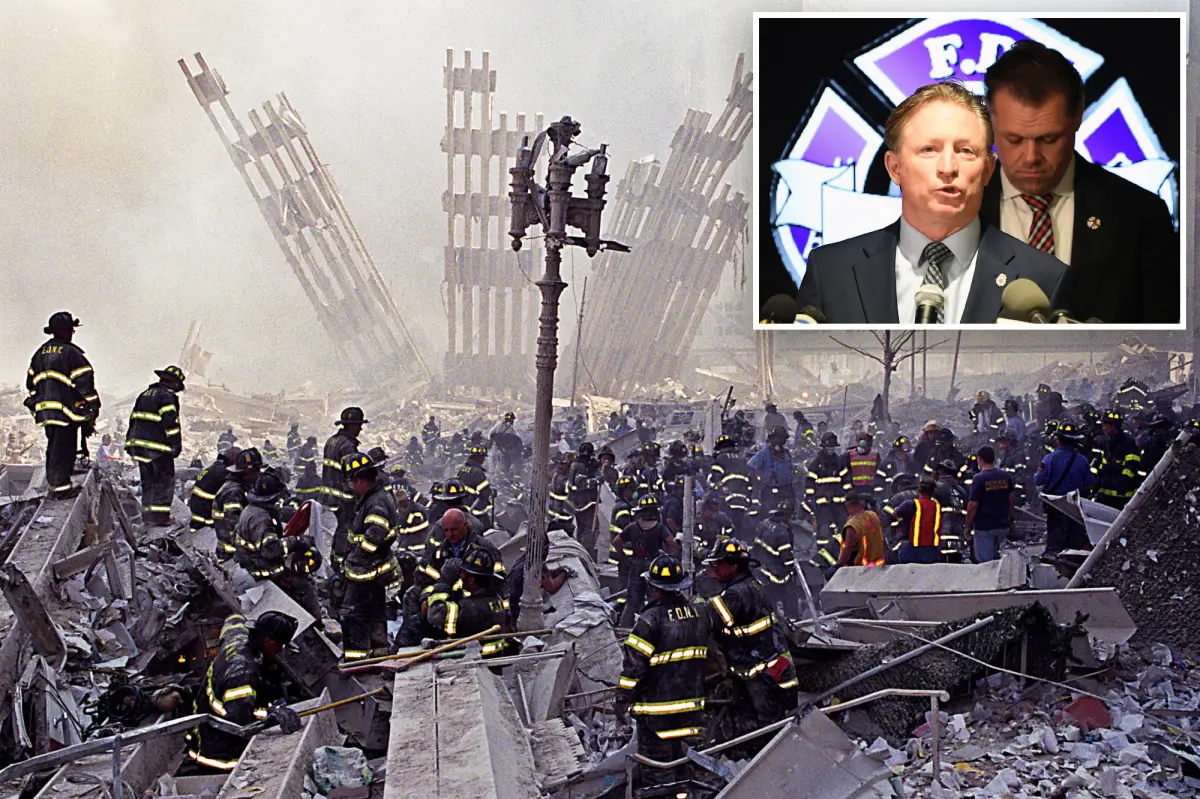
The Sept. 11, 2001 terror attacks are still exacting a devastating toll on the FDNY, with more members now dead from World Trade Center-related illnesses than perished on that day itself, advocates said Wednesday.
Fire department union leaders and supporters gathered to mark the recent release of 170,000 documents about air quality and the aftermath of 9/11 – and to highlight that dark day’s lingering impact 25 years later.
Firefighters on Tuesday buried the 453rd FDNY member to die of a 9/11-related illness, surpassing the 343 members who made the ultimate sacrifice on the day itself, said Robert Eustace, president of the FDNY Uniformed Firefighters Association.
“For the FDNY, Sept. 11 did not end on Sept. 11,” he said.
“There are firefighters who cannot make it up the stairs without losing their breath,” he added.
“It’s a member who sits with chemotherapy. It’s a widow who has to explain to her children that their father is not coming home. The retiree who survived 9/11 only to find out, years later, that the dust he breathed in is still killing him,” Eustace said. “That’s why today matters.”
The heartwrenching remarks came as the terror attack’s quarter-century anniversary loomed Friday, putting the plight of surviving 9/11 first responders into harsh focus.
Read more JJ McCarthy demoted to third-string QB to cement his Vikings downfall
More than 12,000 fire department members have been diagnosed with at least one illness related to the Twin Towers’ collapse, according to the FDNY World Trade Center Health Program.
The release of 170,000 previously secret files Tuesday by Mayor Zohran Mamdani presented an opportunity to help afflicted Ground Zero responders in their treatment, said Lt. James Brosi, president of the FDNY Uniformed Fire Officers Association.
“My hope is that we find more definitive chemicals that were in the air that we don’t already know, right?” he said, noting the presence of asbestos is already well-known.
Identifying the chemicals could also help responders get covered for their treatment, Eustace said.
“If you get cancer and it’s not 9/11-related, the city tells you you’re on your own. That’s what they tell you. So, it’s a big difference if it’s covered,” he said.

Related Posts
NYPD ramping up deployments, launching ‘two major security operations’ — focused on 9/11 ceremonies, Rosh Hashanah
NYPD Commissioner Jessica Tisch blasts 9/11 revisionists blurring lines between heroes and terrorists