Supreme Court rules ballots arriving after Election Day can be counted in win for Dems
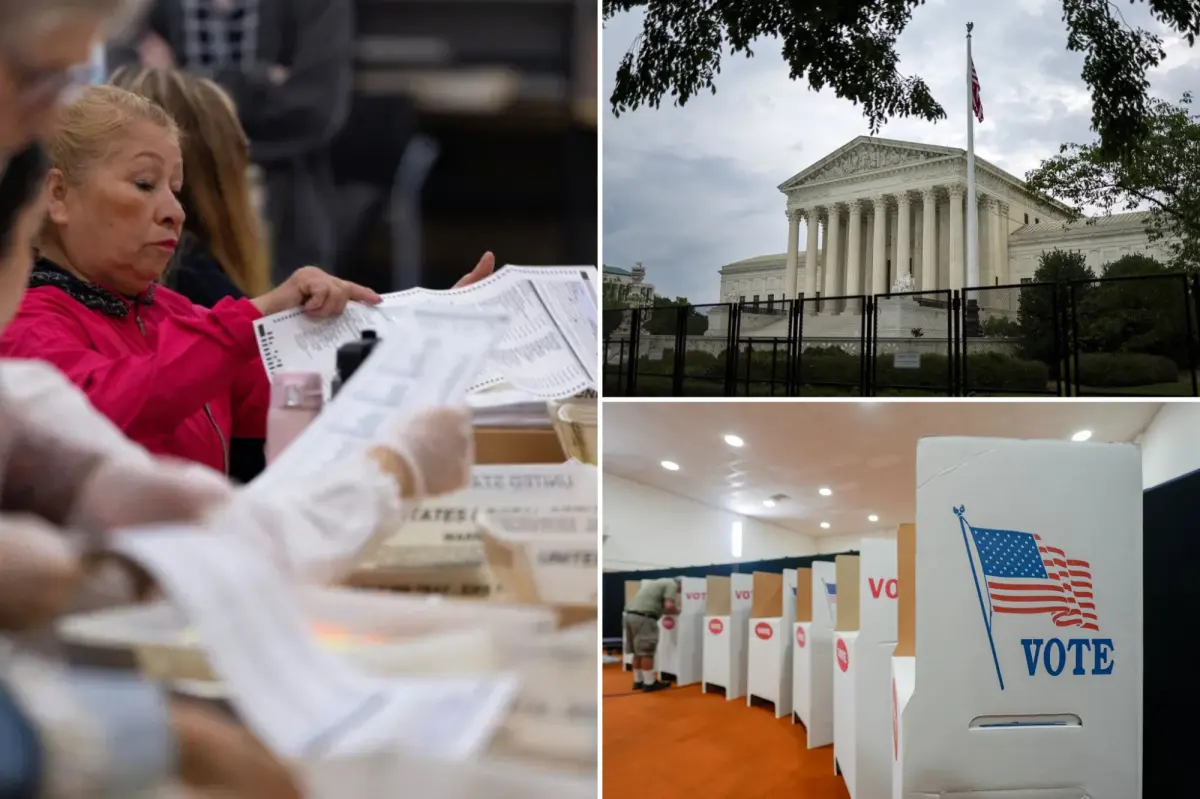
WASHINGTON — The Supreme Court upheld a Mississippi law allowing mail-in ballots to be counted up to five days after Election Day so long as they are postmarked by voting day, handing Democrats a massive win heading into the midterm elections.
The 5-4 ruling saw Chief Justice John Roberts and conservative Amy Coney Barrett side with their liberal peers in concluding that nothing in federal law requires all ballots to be collected by Election Day.
Back in 2024, the Republican National Committee and several local parties sued Mississippi over its policy of allowing ballots postmarked by Election Day to be counted up to five business days afterward.
At least 13 other states have similar grace periods on their books, while nearly 30 states give certain types of mail-in voters some extra time to turn in their ballots. California is perhaps the most infamous of those states, with many key elections often left uncalled by outlets for more than a week after polls close.
President Trump has long been a fierce critic of states that allow the late counting of ballots. The Justice Department backed the RNC’s lawsuit.
During oral arguments, the Supreme Court appeared deeply divided in Watson v. RNC and grappled with concerns about whether nixing Mississippi’s policy could threaten the practice of early voting.
“It just seems inconceivable that on the basis of this kind of evidence, we would reject these practices that are so entrenched in 30 states. But the problem still remains that your theory would have us reject them,” Democrat-appointed Justice Elena Kagan said at one point during oral arguments in March.
There had also been skepticism about the RNC’s position that ballots can’t be counted before Election Day.
Read more Ex-NFL star Chris Johnson reveals ‘shocking’ ALS diagnosis
Democrat-appointed Justice Ketanji Brown Jackson had attempted to nudge her colleagues away from siding against Mississippi.
“The worry is that you want this court to decide the case rather than have Congress do it,” she said during oral arguments.
During oral arguments, GOP-appointed Justices Neil Gorsuch, Alito, Clarence Thomas, and Brett Kavanaugh appeared to lean towards overturning the state law, while the three Democratic justices leaned against. Chief Justice John Roberts and Amy Coney Barrett did little to tip their hand.
The Supreme Court’s decision in Watson v. RNC comes as Trump has pressed Congress to tighten restrictions on mail-in ballots and enact a proof of citizenship requirement to vote in federal elections.
Trump has specifically called for the passage of the Safeguard American Voter Eligibility (SAVE) America Act, which has been stuck in the Senate.
The case was also one of a handful on the Supreme Court’s docket this term that had major implications for the midterm elections.

Related Posts
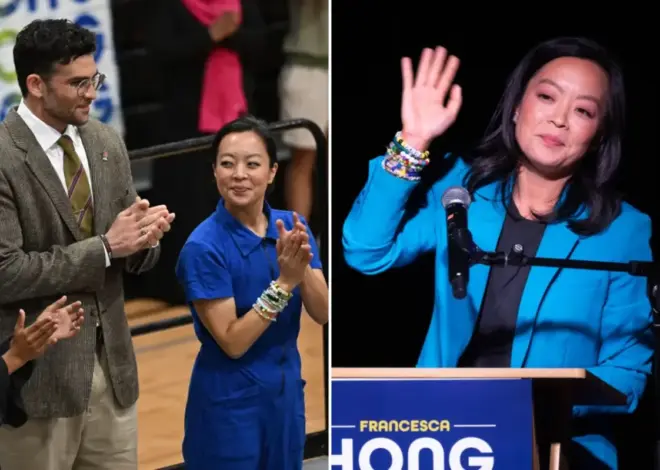
Furious Hasan Piker melts down over Francesca Hong’s loss: ‘Outlaw Thanksgiving and outlaw boomers’

Karoline Leavitt leaving White House press secretary job, shortly after returning from maternity leave